

Fluoride In Detroit Area Tap Water
Fluoride is present in Detroit area tap water as part of the standard treatment process used by the Great Lakes Water Authority. It is added during treatment to support dental health and is maintained within regulated levels.
Based on water quality data, fluoride levels in the Detroit system are reported at approximately 0.60 to 0.66 ppm, which aligns with national recommendations.
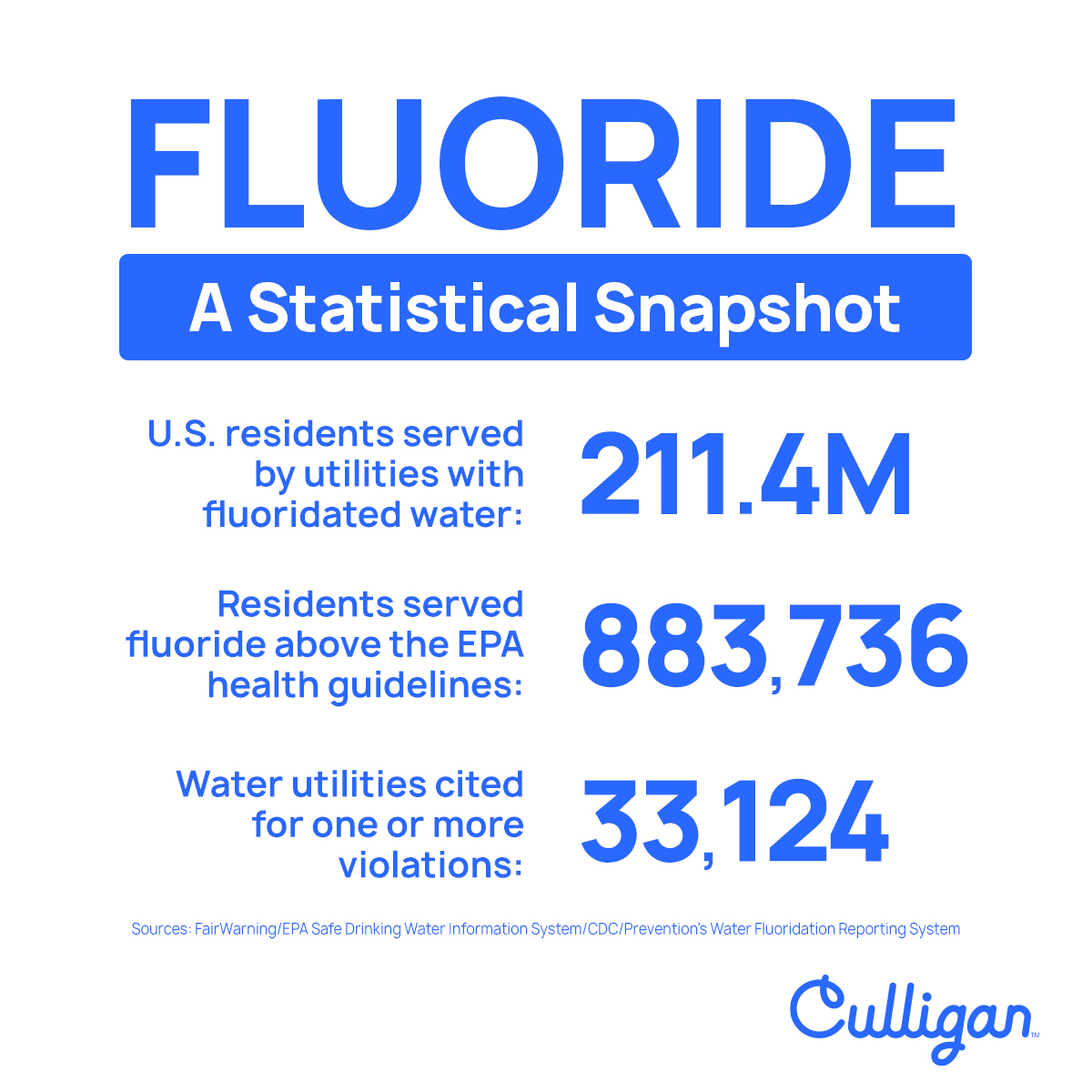
Fluoride In Tap Water: The Basics
Fluoride has been added to public water systems in the United States for decades as a way to help reduce tooth decay. Most systems target a level around 0.7 ppm, which is considered optimal for dental health.
In Detroit, measured levels between 0.60 and 0.66 ppm fall within this recommended range. Because the water is sourced from the Detroit River and Lake Huron, fluoride is added during treatment to maintain consistent levels across the system.
Fluoride Removal: The Why And How
If you’re looking to reduce fluoride in your tap water, there are treatment options specifically designed to address it.
This is a consideration for some Detroit homeowners who want more control over what’s in their drinking water, even when levels fall within recommended guidelines.
Effective fluoride removal options include:
- Reverse osmosis systems, which are highly effective at reducing fluoride
- Specialized filtration systems designed for targeted contaminant removal
Standard carbon filters are typically not designed to remove fluoride, so choosing the right system is important.
Solutions
Suggested Products
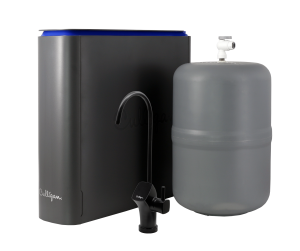
The Aquasential® Smart Reverse Osmosis Water Filter (RO)
- 7 stages of filtration and 12 filter options
- Certified for reduction of 58 contaminants
- 2-in-1 sediment and carbon filter screens out sediment and particles
- Can alert you and your dealer when service or filter replacements are needed
What Are the Effects of Fluoride in Drinking Water?
At recommended levels, fluoride is widely recognized for helping prevent tooth decay and supporting dental health.
However, higher levels of long-term exposure have been associated with:
- Dental fluorosis (changes in tooth appearance)
- Skeletal fluorosis in rare cases of very high exposure
While Detroit’s levels are below limits, some homeowners prefer to reduce fluoride intake as part of their overall water quality strategy.
Why Do Some Detroit Residents Filter Out Fluoride?
Even when water meets federal standards, many homeowners choose filtration for added control over their drinking water.
In Detroit, common reasons include:
- Preference for reduced fluoride in drinking and cooking water
- Households with infants or young children
- Desire for more customized water quality
Reverse osmosis systems are one of the most common solutions used to reduce fluoride levels at the point of use.

Facebook